Unnecessary Things That Do More Harm Than Good to Your Toddler
Disclosure: As an Amazon Associate, I earn from qualifying purchases. This post may contain affiliate links for Amazon.in, meaning I may receive a small commission at no extra cost to you.
Understanding Modern Parenting Overload
Parenting today looks very different from how it did a few decades ago. With social media, online shopping, and constant advice from every direction, parents are often surrounded by messages telling them what they should buy for their toddler.
From smart toys to specialized gear, many products are marketed as “must-haves.” The truth is that not all of these items are necessary. Some can even interfere with a toddler’s natural growth and emotional well-being.
Modern parenting overload usually comes from a good place. Parents want to give their children the best. However, toddlers need connection, safety, and simplicity far more than extra gadgets. Too much stimulation, noise, and clutter can overwhelm young minds that are still learning how the world works.
Why Minimalism Matters for Toddlers
Minimalist parenting does not mean denying your child comfort or joy. It means choosing fewer, more thoughtful items that truly support development.
Toddlers learn best through:
- Repetition
- Real-world exploration
- Calm and predictable routines
Research and observation show that children in less cluttered environments often focus better and play more creatively. Simple surroundings give toddlers space to imagine, explore, and regulate their emotions.
In Indian households, where extended family, sounds, and daily activity are already part of life, reducing unnecessary stimulation becomes even more important.
Unnecessary “Essentials” That Can Do More Harm Than Good
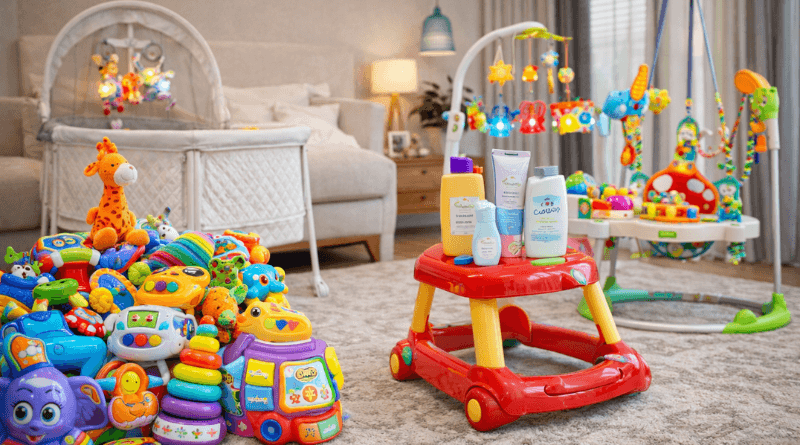
1. Baby Walkers: Risk Often Outweighs Reward
Baby walkers are often marketed as tools that help toddlers learn to walk faster. In reality, many pediatric experts advise against their use.
Walkers allow movement without proper muscle engagement. Instead of strengthening balance and coordination, they can delay natural milestones like crawling and standing independently.
Why they can be harmful
- Increased risk of falls and collisions
- Unsafe near stairs and uneven flooring
- May encourage unnatural posture
Safer alternatives
- Push-along walkers that move only when the child pushes
- Stationary activity centers with limited movement
These options allow toddlers to develop leg strength while staying in control of their balance.
2. Electronic Toys and Constant Stimulation
Many toys today come with flashing lights, loud music, and automated voices. While they may look educational, excessive use can overwhelm a toddler’s developing brain.
Toddlers need time to process information. Toys that do all the thinking for them limit imagination and problem-solving.
Possible downsides
- Shorter attention span
- Reduced imaginative play
- Difficulty focusing during quiet activities
Better choices
- Wooden blocks
- Stacking rings
- Shape sorters
- Simple puzzles
These toys encourage creativity and allow the child to lead the play.
3. Flashy Crib Mobiles
Crib mobiles often look beautiful in nurseries. However, bright colors, movement, and music can overstimulate toddlers during sleep time.
Sleep is critical for brain development. A calm and dark environment supports deeper and more restful sleep.
Why flashy mobiles may be a problem
- Interrupt natural sleep cycles
- Increase alertness when the child should relax
- Create dependence on stimulation for sleep
Better sleep-friendly options
- Soft lighting
- Simple, non-moving décor
- White noise machines to mask background sounds
Consistency helps toddlers feel safe and settle down more easily.
4. Excessive Use of Baby Jumpers and Bouncers
Baby jumpers and bouncers are convenient, especially when parents need free hands. However, extended use can place stress on developing joints and muscles.
Toddlers often lean forward in these devices, which can affect posture and balance.
Potential risks
- Toe-walking habits
- Hip and knee strain
- Delayed development of core strength
Healthier alternatives
- Padded floor mats
- Supervised free movement time
- Simple crawling and climbing play
Free floor play allows toddlers to explore their limits safely and naturally.
5. Scented Baby Products
Many baby shampoos, lotions, and wipes contain artificial fragrances. In warm and humid climates, these ingredients can irritate sensitive toddler skin.
Even products labeled as “baby-safe” may still include unnecessary additives.
Possible issues
- Heat rashes
- Dryness or redness
- Skin sensitivity over time
Better options
- Fragrance-free products
- Minimal ingredient lists
- Dermatologist-tested formulas
Choosing gentle skincare helps protect the natural balance of your toddler’s skin.
Signs Your Toddler May Be Overstimulated
Toddlers cannot always express discomfort with words. Their behavior often provides clues.
Common signs of overstimulation include:
- Frequent meltdowns or sudden irritability
- Trouble falling asleep despite being tired
- Restlessness or constant movement
- Avoiding eye contact or withdrawing from interaction
If these signs appear regularly, simplifying your child’s environment may help restore balance.
Marketing Myths and Parental Pressure
Many brands rely on fear-based marketing. Parents are often told that without a specific product, their child may fall behind.
In reality, toddlers do not need expensive gadgets to thrive. They need:
- Responsive caregivers
- Safe spaces to explore
- Time to play and rest
Trust your instincts. Your presence and attention matter far more than any product.
Conclusion: Less Really Is More
Parenting does not have to be complicated. Reducing unnecessary items creates more room for meaningful interaction and calm routines.
By choosing simplicity, you allow your toddler to grow with confidence, curiosity, and emotional security. Your time, patience, and love remain the most valuable tools you can offer.